
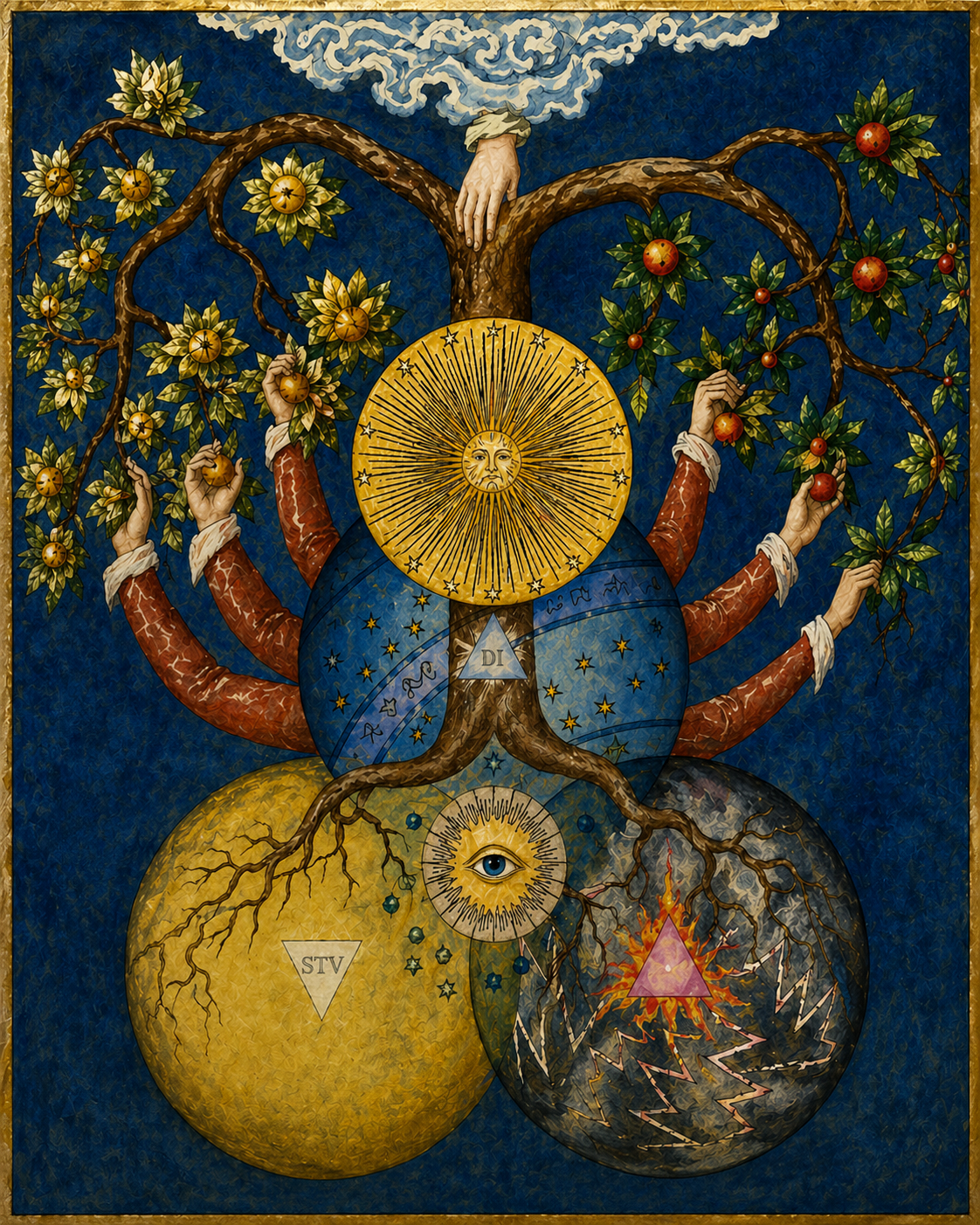
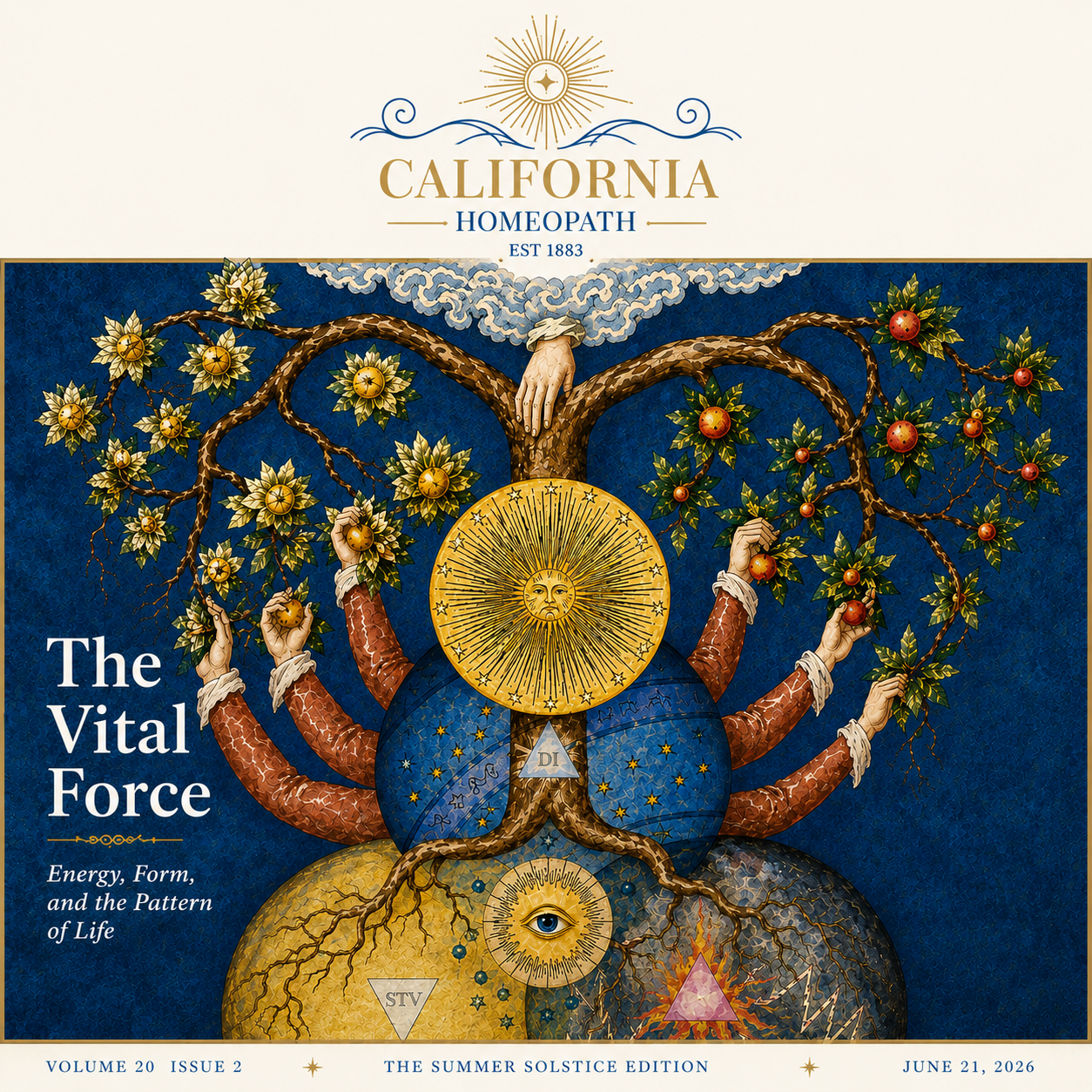
The Vital Force: Volume 20 Issue 2
Intro: Publisher’s Note and Editorial
Vital Force: Volume 20 Issue 2
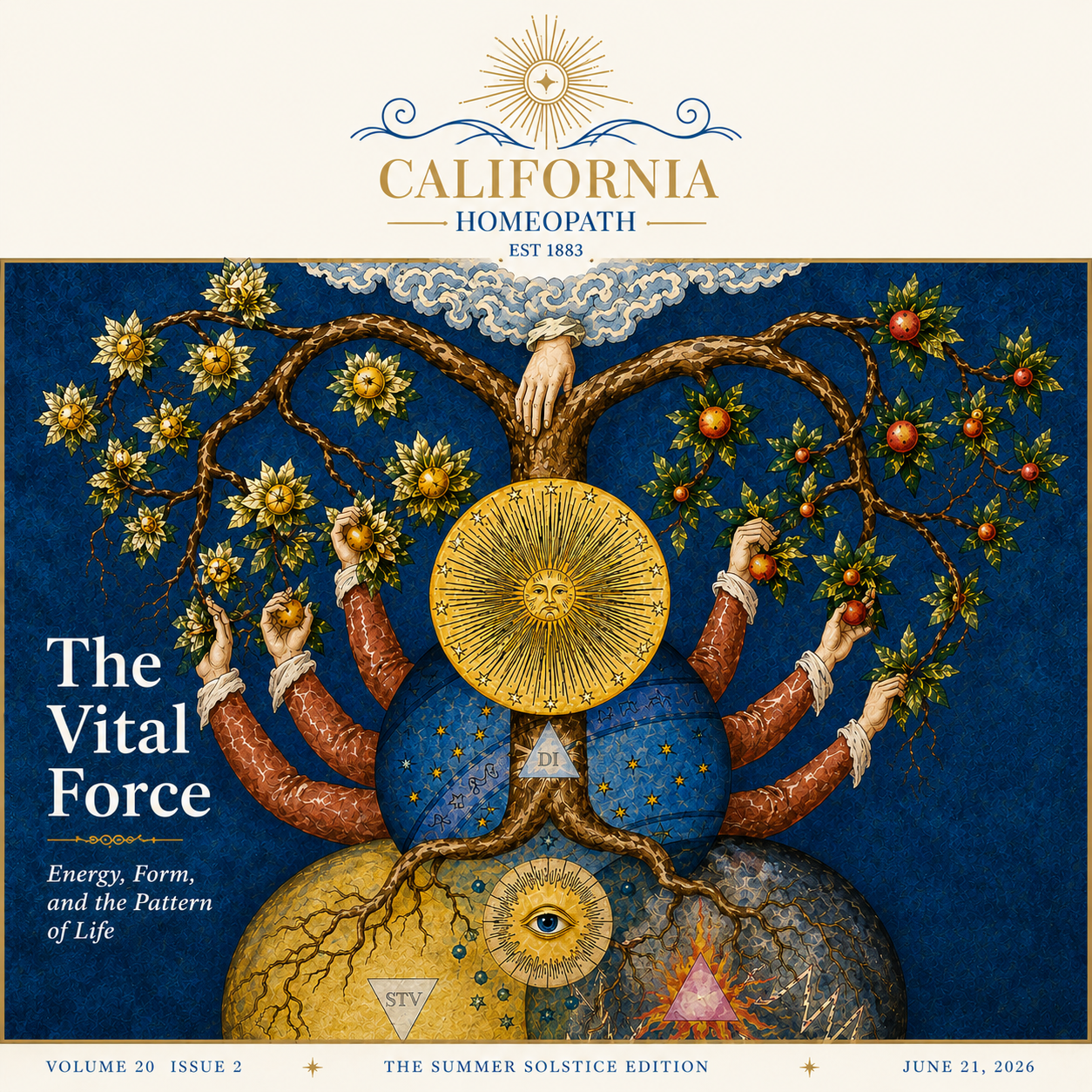
This Summer Solstice issue explores one of homeopathy's foundational concepts: the Vital Force. The Publisher's Note reflects on the continued growth of The California Homeopath, introduces a new way for readers to engage with the journal, and considers the themes woven throughout this edition.
While the Publisher's Note looks at the broader vision and evolving community surrounding the journal, the Editorial serves as a guide to the issue itself, highlighting the articles and ideas explored in these pages.
We invite you to begin with the Publisher's Note and Editorial. Together, they offer an introduction to the issue and a guide to the articles that follow.
If this issue resonates with you, we invite you to subscribe to future editions of The California Homeopath. Our Pay What You Can model helps keep this historic journal accessible while sustaining independent homeopathic publishing.
The Part That Contains the Whole
By Kathleen Scheible, CCH
This article positions homeopathy within an emerging post-mechanistic paradigm. It opens by grounding the Vital Force as an ontological reality rather than metaphor, then draws on David Bohm's implicate/explicate order and Karl Pribram's holonomic brain model to explain why core homeopathic principles logically arise from the structure of reality, finding a parallel expression of that same logic in the microsystems and meridian theory of Chinese medicine. From there it surveys emerging fields such as quantum biology, psychedelic research, noetic science, quantum computing, and nanomedicine that challenge mechanistic models of life and consciousness. Finally, it reviews proposed mechanisms for remedy action: nanoparticle hormesis, quantum coherence domains, and electromagnetic water memory.
The God (Consciousness) Question and its Relationship to Homeopathy
By Richard PItt
The influence of the modern scientific paradigm in our society and in medicine in particular has led to challenges on the position of traditional religion and also on the validity of homeopathy and other holistic forms of healing.
This article explores some of the philosophical and political influences that have led to this situation, ideally clarifying the position of homeopathy and its role in integrating spiritual and scientific ideals.
Vital Force in a Post Materialistic World
By Bill Rumble
By the end of the 19th century, with the development of “Germ theory”, the belief that we are isolated living beings in a dead mechanical universe had become the dominant ideology. This belief system, while heralding extraordinary developments in surgery and hygiene in conventional medicine, fails to address the fundamental issue that we are energetic beings who resonate with each other and with animals, plants, places, music and art etc.
Quoting extensively from Hahnemann’s Organon, Bill has expertly combined Homeopathic philosophy and the dynamics of practice vis a vis the Vital Force to author a fascinating article.
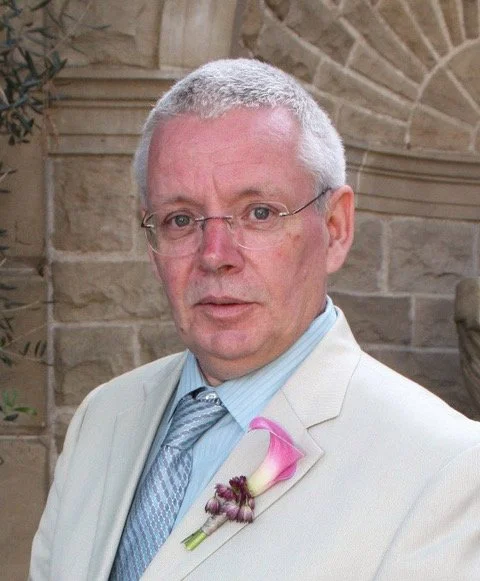
The Scholar and the Scoffer: A Conversation with Frans Vermeulen
Interview & Article by Kirsten McGregor
We are thrilled to feature an interview with Frans Vermeulen, a towering figure who has shaped homeopathic scholarship for the past half-century. For fifty years, he has worked outside institutional boundaries as a solo investigator, translator, and taxonomic critic.
This conversation ranges across the foundations of materia medica, the philosophical incompatibility of Darwinian evolutionism with homeopathic first principles, the nature of the vital force, the misuse of provings, and the uncertain future of homeopathy in a materialist culture.
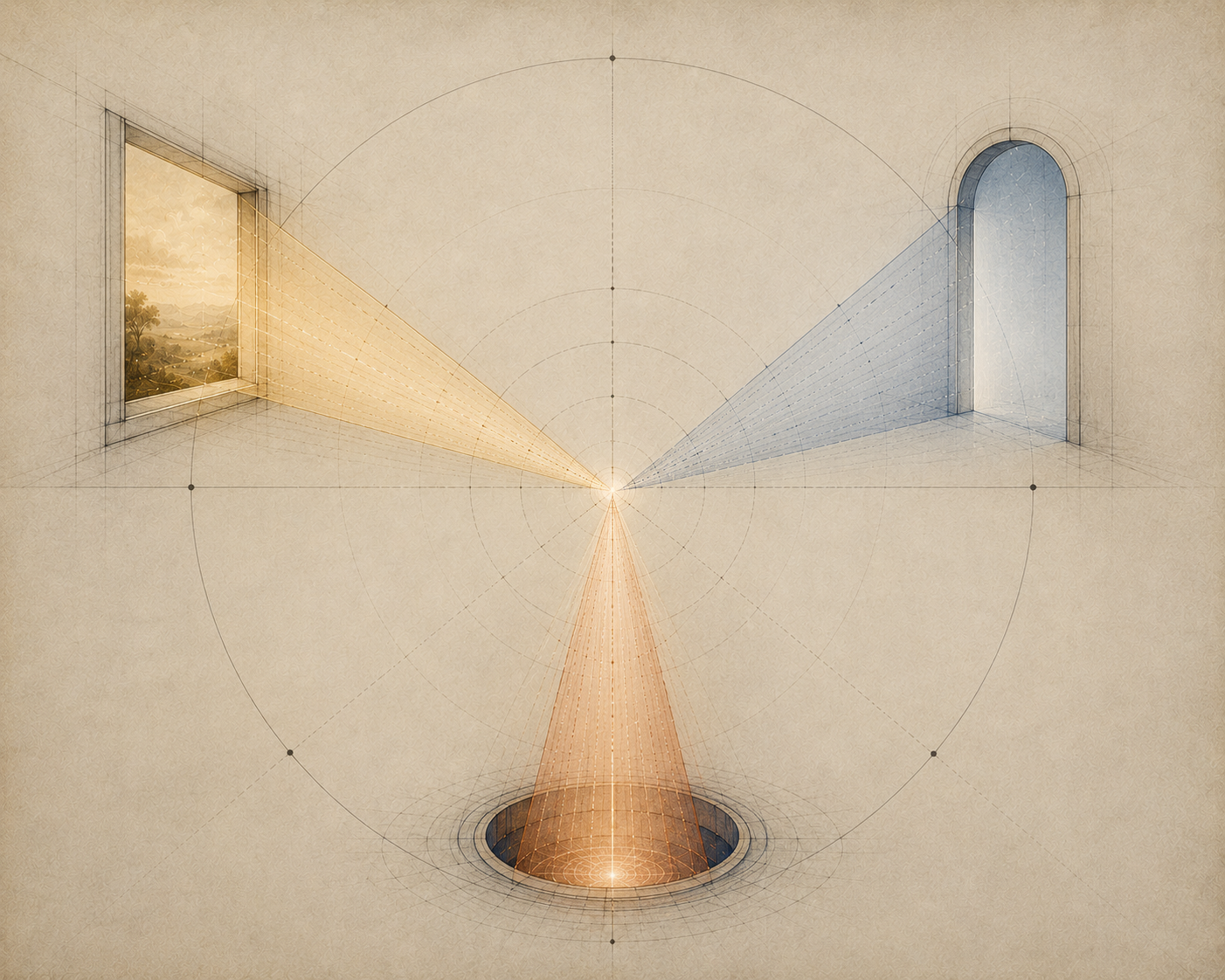
The Three Modes of Perception
By Jason-Aeric (Je Norbu) Huenecke, CCH, RSHom (NA)
This article argues that classical homeopathy has preserved a triadic epistemology that contemporary neuroscience now ratifies, and that Samuel Hahnemann named it in §6 of the Organon of the Medical Art: what is felt by the patient, remarked by those around them, and observed by the physician correspond to interoception, field-perception, and exteroception.
It proposes that the simillimum is recognized when the three modes converge, that curative response announces itself interoceptively before exteroceptive confirmation, and that the integrated triadic perception classical practice requires can be deliberately formed through case-receiving, embodied practice, contemplative training, and participation in provings.
The Mirror & the Magnet
By David Mundy, F.S.Hom
Drawing on over 45 years of practice, David Mundy explores how the things we're drawn to — a profession, a hobby, a tattoo, even a favourite movie character — can mirror the homeopathic remedy we need. Through striking case studies (a gold-glazing potter helped by Aurum metallicum, a snake-tattooed patient matched to Black Mamba, a depressed woman whose meditation revealed her need for Adamas), he illustrates what he calls the "Law of the Magnet" and the "Law of the Mirror."
Weaving together Kentian philosophy, Jungian synchronicity, and archetypes from film and literature from Agatha Christie's Poirot to Scarlett O'Hara, Mundy makes the case that a person's deepest attractions and life patterns reveal their inner state.
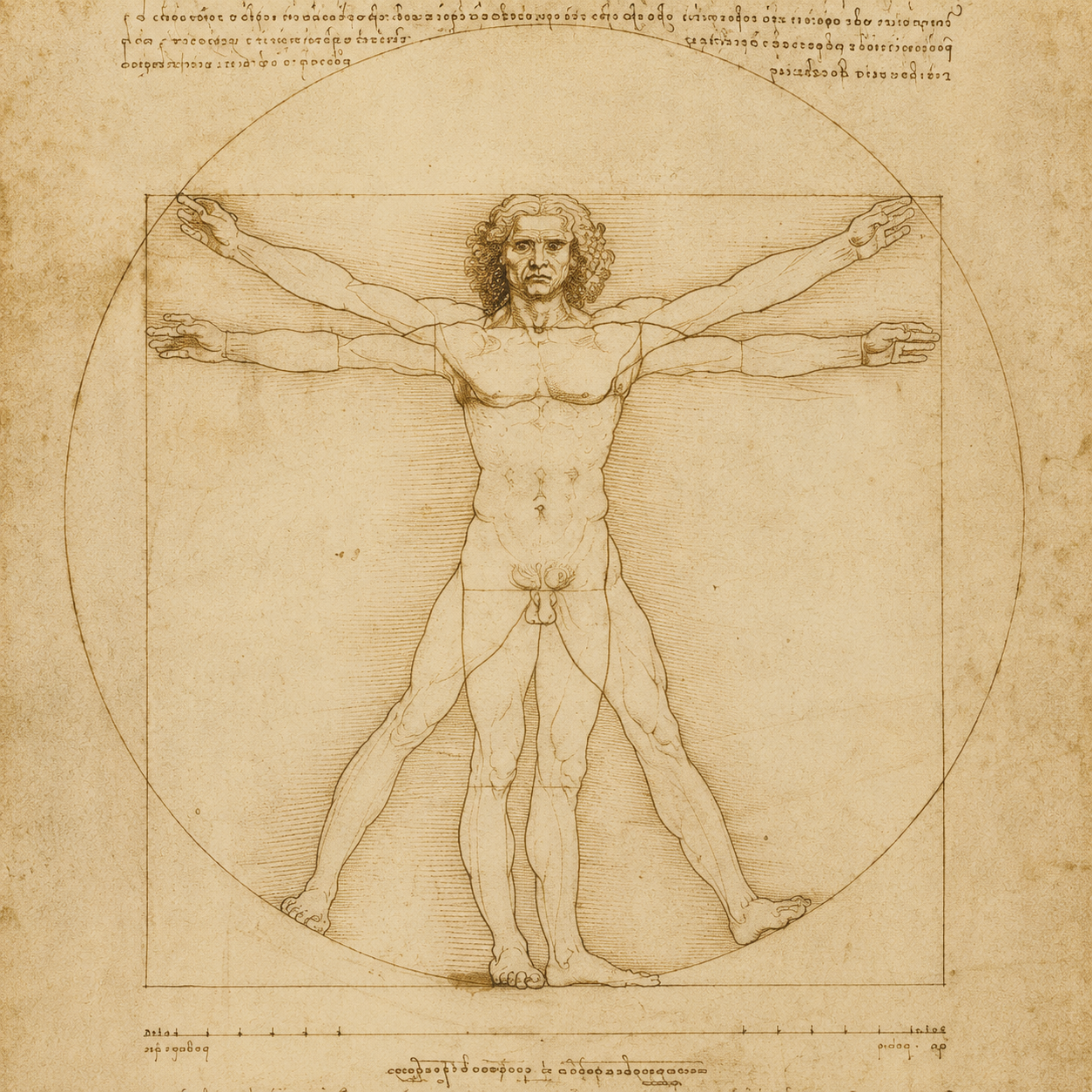
A Scientific Approach to the Study and Practice of Homeopathy
By Vijay H. Vaishnav M.D. (Hom.), CCH
In this rigorous, clinically grounded article, Dr. Vaishnav makes the case for grounding homeopathic prescribing in solid medical science rather than fashionable new theories. Drawing on detailed examples from anatomy, physiology, and pathology, he shows how knowledge of a joint's structure, the circadian rhythm of cortisol, or the underlying cause of anemia can mean the difference between an effective prescription and a failed one — distinguishing remedies like Rhus tox, Ruta, and Calc fluor for knee pain, or China and Belladonna for headache. Two hospital case studies, treating dilated cardiomyopathy and chronic bronchitis with "rare" but well-proven remedies, demonstrate this integrative approach in action.
With decades of teaching and clinical experience behind him, Vaishnav argues that mastering the basic sciences alongside Materia Medica is essential to truly rational, accurate prescribing. A valuable read for practitioners wanting to sharpen the clinical foundations of their casework.

The Chronic Miasms - Part Three & Four
By Dr. Will Taylor
In this installment of his six-part series on the chronic miasms, Dr. Will Taylor digs into why miasmatic theory matters practically, not just historically. Part Three traces how Hahnemann arrived at Psora as the explanation for the vast majority of non-venereal chronic disease, and argues that "clearing" a miasm with a nosode is a misunderstanding. The real task is treating the chronic disease itself, often through a careful succession of remedies.
Part Four turns to the relationship between the chronic miasms and acute disease, challenging the Kentian view that all sickness traces back to Psora and pushing back on loose claims that ulceration is inherently "syphilitic" or excess inherently "sycotic."
Throughout, Taylor grounds his argument closely in Hahnemann's own texts and the Organon, while engaging critically with later interpretations from Kent, Eizayaga, and Sankaran. A meaty, scholarly read for homeopaths who want to test their miasmatic assumptions against the original sources, with Parts Five and Six still to come.

The Intersection of Homeopathic Care and Implicit Bias in Modern-day Case Receiving
By AnnMarie Rian, LM/CPM, Classical/Neoclassical Homeopathic Practitioner
Drawing on her experience as a midwifery educator working toward greater equity in birth care, AnnMarie Rian asks whether homeopaths can truly embody Hahnemann's "Unprejudiced Observer" while unexamined implicit bias remains unaddressed. She walks through §§3–6 of the Organon to show how bias can distort each stage of case-taking, from accurately perceiving a client's disease and its underlying cause, to understanding the colonial and Eurocentric histories embedded in some materia medica sources (including the proving history of Psorinum).
Citing research on implicit bias in healthcare broadly, she challenges the common assumption that holistic medicine is inherently exempt from these dynamics, and offers concrete starting points for practitioners: self-reflection, accountability partnerships, and longer-term work like diversifying the profession and revisiting the repertory's language. It's a candid, sometimes provocative call for homeopaths to look inward, paired with a substantial list of resources for those wanting to go deeper.

The Rebel Loon at the Event Horizon
by Je Norbu (Jason-Aeric) Huenecke, CCH, RSHom (NA)
In this case study, Huenecke follows a neurodivergent AI/software engineer over six years of treatment, exploring suffering she described not as burnout or anxiety but as "imaginal collapse": her inner world flattening into systems diagrams under the weight of organizational incoherence. He traces a structural correspondence between her language of compression, vigilance, and gravitational pull and the proving themes of Lux foraminis nigris, a remedy made from the recorded light signature of Cygnus X-1, the first confirmed stellar-mass black hole.
The article walks through detailed case-receiving dialogue, a differential diagnosis against remedies like Hydrogenium, Positronium, and Ferrum sidereum, and a year-long C→Q longitudinal dosing arc, tracking the patient's gradual return of imaginal depth and nervous-system ease. Framed around the issue's theme on the next paradigm shift in consciousness, it's a striking example of applying an imponderable, astronomically-sourced remedy to distinctly contemporary, technology-mediated suffering.

The Provings of Manihot esculenta and Ricinus communis
By Richard Pitt
Richard Pitt presents two new provings of plants in the Euphorbiaceae family — Ricinus communis (castor oil, proved in California in 2006) and Manihot esculenta (cassava, proved among local participants in Malawi in 2012). Both substances are notably toxic in their raw form (Ricinus from ricin, cassava from cyanogenic compounds), and Pitt traces how this toxicity surfaces in the provings as recurring themes of danger, violence, knives, and being bound or restricted — themes he connects to the wider Euphorbiaceae family and to Sankaran's earlier work on plant families.
The article includes extensive raw proving data (dreams, digestive symptoms, mental-emotional states) for both remedies, along with reflections on synchronicity and field effects observed during the proving process itself. Drawing on his decades of practice across the US, UK, and several African countries — including the public-health context in which the cassava proving took place — Pitt suggests both remedies may have clinical relevance for digestive complaints, malnutrition, and conditions like HIV/AIDS in African settings. A detailed primary-source resource for homeopaths interested in plant-family relationships and lesser-known remedies.
Individualizing Examination of Dynamized Human IgG
By Dr Chetna Shukla
Whenever humanity shifts towards deeper, more complex pathologies, a corresponding dynamized medicine arrives (as do new material and technological developments). This is “an arrangement in perfect conformity with the infinite goodness of the all-wise Preserver of human life” (§ 14)(1). In February 2025, an immunologist patient asked me if I wanted anything for my birthday. I replied no, yet to my surprise I heard myself asking whether it might be possible for him to obtain isolated Human IgG for me. This marked the beginning of the journey, on 09.09.2025, into the province of Human IgG, and the homeopathic profiling of her nature.
Keywords: Dynamized Human IgG, Sarcode, Proving, Portrait
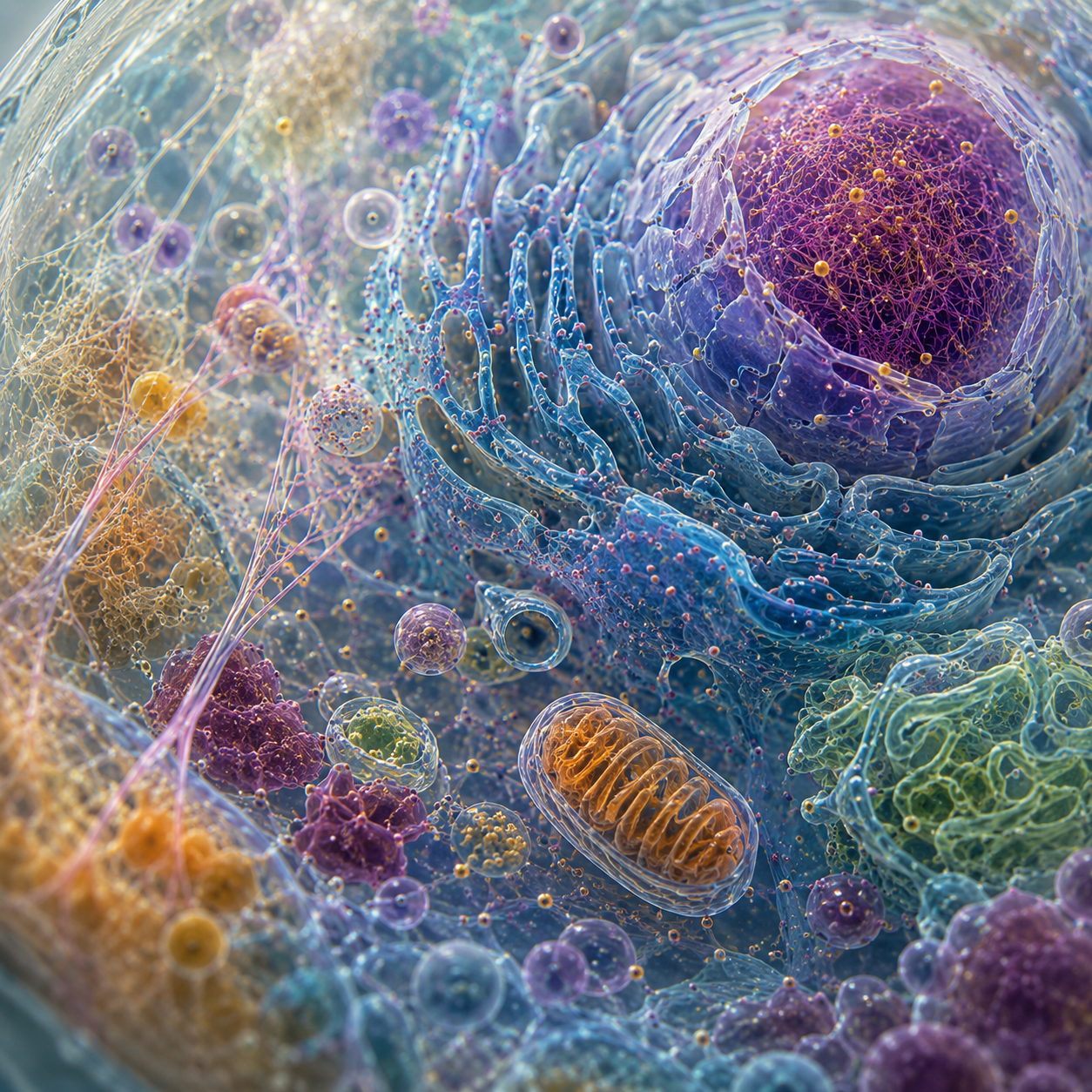
Subtle Electrical Signaling in Health and Medicine
By Roger Barr
Homeopathy is controversial and mostly rejected by mainstream scientists because they claim that it is antithetical to known tenants of physics and biology. But even mainstream medicine is on thin ice. Adherents of the Mechanistic Paradigm of life cannot begin to provide a mechanism for Consciousness. And important questions remain regarding how substances exert profound mental-emotional effects despite the protective role of the blood-brain barrier which limits or may even prevent them from entering. Nearly all pharmaceuticals list characteristic psychological or emotional side effects, suggesting pathways of influence that are not always fully understood within strictly reductionist models. As Dr Hahnemann wrote, all medicines as well as all diseases affect the mind and body.

Homeopathy in Ghana and the Development of Homeopathy in Africa
By Richard Pitt
Homeopathy is practiced in Ghana and many other countries in Africa. The Ghana Homeopathy Project has been working in Ghana for over 20 years, supporting the education and practice of homeopathic practitioners. The project has been offering educational programmes and supporting a Ghana based charity establish a three year diploma programme in the country. Also, Africa is embracing the concept of integrating Traditional and Complementary Medicines into African countries, under the umbrella of the Traditional, Complementary and Integrative Medicine (TCIM) coalition. Many African countries, Ghana included are exploring how best to integrate both Traditional and Complementary forms of medicine into their health care systems. This article explores the options that are being explored and comparing to how homeopathy has been integrated in different countries.
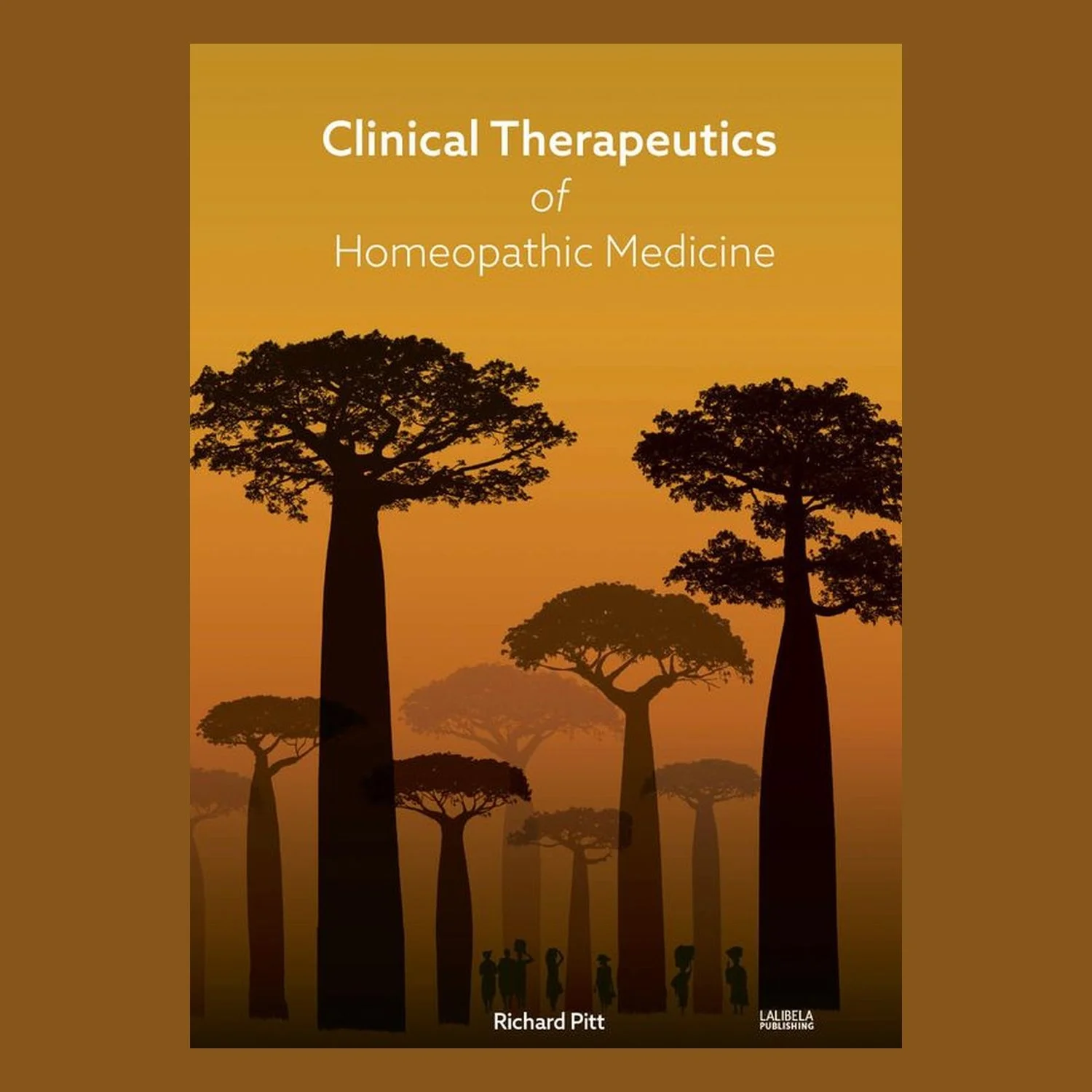
Book Review: Clinical Therapeutics of Homeopathic Medicine
By Debbie Lamb CCH
Drawing from his extensive experience as a homeopath, educator, and world traveler who worked with clinics in African countries, Richard Pitt developed this handy therapeutic guide that can be used in clinical situations anywhere in the world. Designed to have useful information at one’s fingertips, the book includes concise descriptions and thematic comparisons of the primary therapeutic remedies recommended for acute and chronic conditions, as well as an abridged repertory based on Kent’s Mind and Generalities section and Boger’s repertory of ameliorations and aggravations.

Outro: Looking Ahead -Winter Solstice 2026
Before you leave this issue, be sure to read the outro. There you'll find a preview of our Winter Solstice edition, opportunities to contribute as an author, and ways to support the continued growth of The California Homeopath. Whether you're interested in writing, participating in the conversation, or simply helping sustain the journal, we'd love to have you involved.
Read on to learn what's ahead.
If this issue resonates with you, we invite you to subscribe to future editions of The California Homeopath. Our Pay What You Can model helps keep this historic journal accessible while sustaining independent homeopathic publishing.