
Rebirth: Volume 20 Issue 1
Publisher’s Note and Editorial
Rebirth: Volume 20 Issue 1
It is with great excitement and sincere appreciation that we republish the California Homeopath journal, presenting its first edition in nearly ten years. This relaunch marks both a continuation of a distinguished legacy and a renewed commitment to the future of homeopathic scholarship. Like the phoenix rising from the ashes—a symbol of renewal and rebirth reflected on our cover—this journal returns revitalized, carrying forward the wisdom of the past while embracing new life and purpose.
An Exploration of the Impact that A.I. and Wider Technologies May Have on the Future of Homeopathy
By Dr. Suraj A. Dhirwani [M.D. (Hom.), M.B.A. (MM), B.H.M.S.)]
An Exploration of the impact that Artificial Intelligence (AI) and wider technologies may have on the future of homeopathy, and a broader analysis of technology's social and political implications for individual and cultural health.
Artificial Intelligence and the Future of Homeopathy: A Semantic Pattern-Matching Perspective
By Marco Ruggeri and Simone Ruggeri
This paper posits that the recent advancements in Artificial Intelligence (AI), particularly in Natural Language Processing (NLP), large language models (LLMs), and semantic vector spaces, offer a technological paradigm that is uniquely aligned with homeopathy’s core epistemological framework. While these AI technologies are well-established in other domains, their systematic application to homeopathy represents a novel and transformative approach that has never before been fully realized. We explore how AI can revolutionize homeopathic practice, research, and evidence generation by transforming our static repositories of knowledge into a dynamic, interconnected, and continuously learning ecosystem.
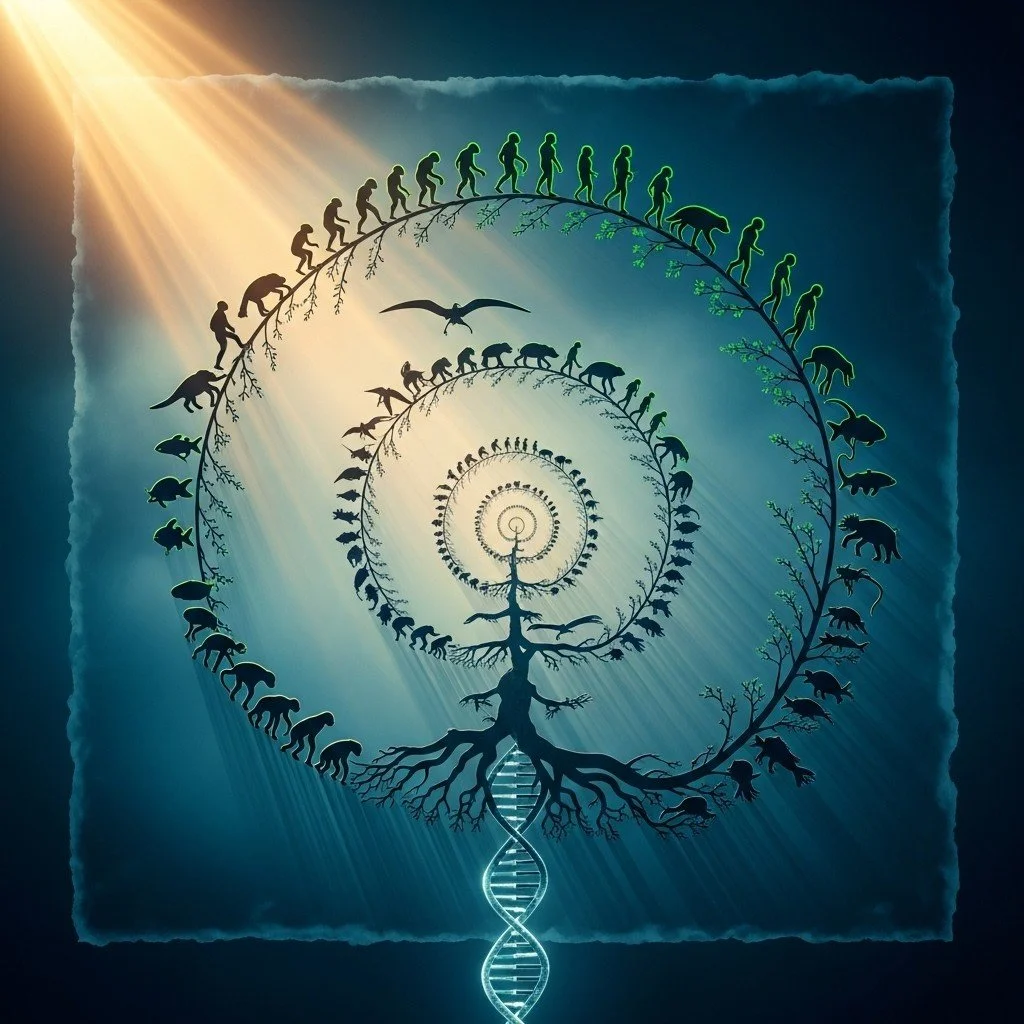
The Impact of Technology on Human Evolution: Recognizing the influence of technology and the miasmatic theory of disease in Homeopathic Medicine.
By Richard PItt
This article explores the way in which various technologies impact human existence and consciousness, and the type of diseases that may arise, which are connected to the dominant technologies being used. This article seeks to explore and link certain technologies with the manifestation of various disease patterns which reflect this technology. This is done in the context of looking at human evolution and the patterns of evolutionary development found in human life.
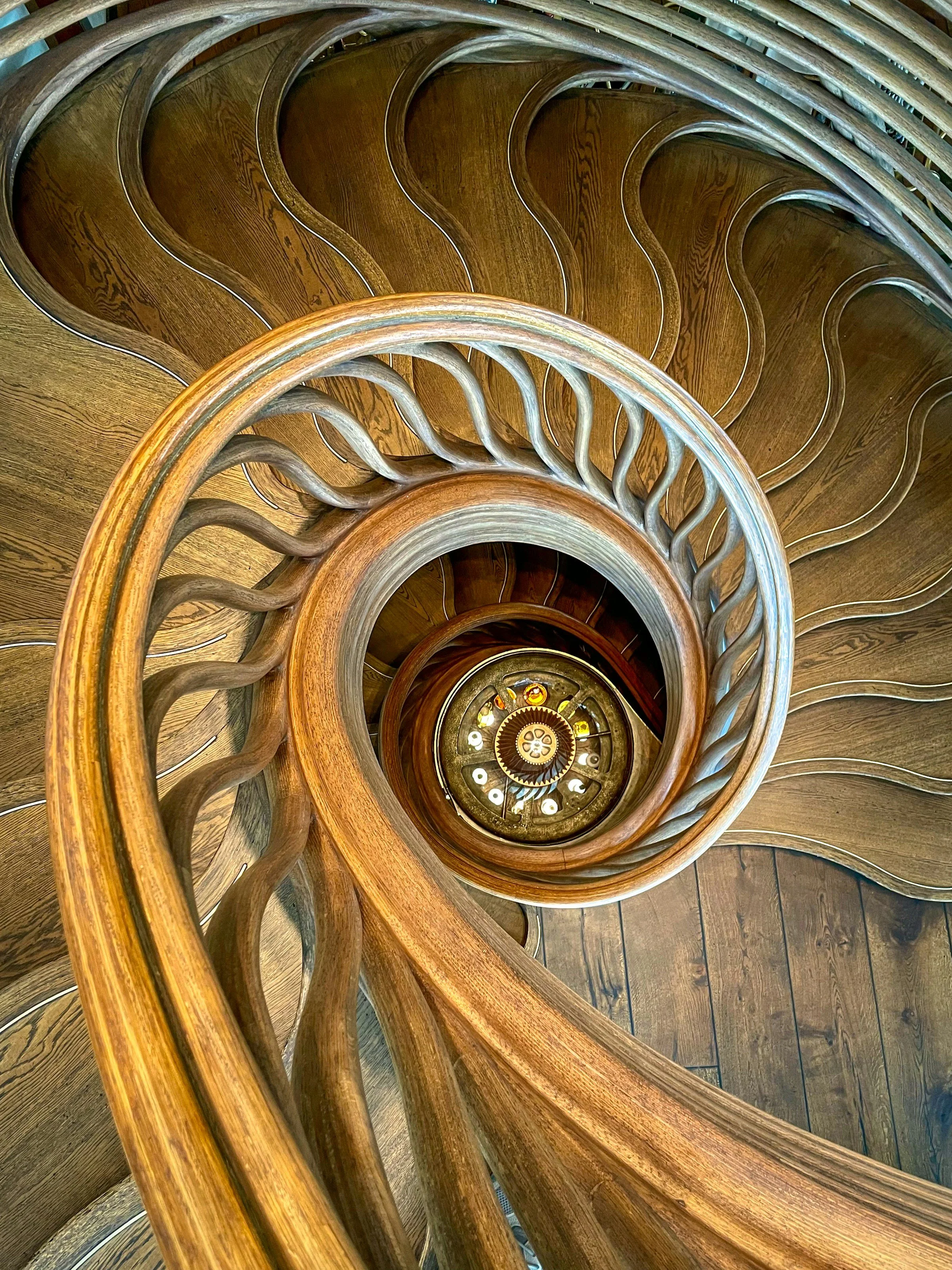
The Homeotherapeutic Spiral: Life as Dynamic Emergence in the Age of AI
By Jason-Aeric (Je Norbu) Huenecke
Homeopathy did not arise as a historical curiosity or as a reactionary movement. It emerged from Samuel Hahnemann's radical discovery that disease originates in a disturbance of a governing life principle, an immaterial, dynamic force that animates the organism and expresses itself through sensation, function, emotion, behavior, and physiology.
This vital force does not move in straight lines; it spirals. From the double helix of DNA to the swirling arms of galaxies, from the unfurling fern to the movement of consciousness through illness and insight, the spiral is the universal geometry of becoming. Properly understood, homeopathy is the art and science of restoring the upward motion of this spiral, returning vitality to its natural direction of coherence and freedom.
Comparing AI to Live Practitioners: What have we learned so far?
By Rachael Doherty (CHP)
The Institute for the Advancement of Homeopathy’s research team has spent the last two years working to better understand how artificial intelligence (AI) will affect the homeopathy community and the practice of this unique healing art. These efforts are now coming to fruition in an emerging series of peer-reviewed papers that aim to shed light on this evolving phenomenon. Our central research question is whether automated remedy finders are able to reliably replace live practitioners.
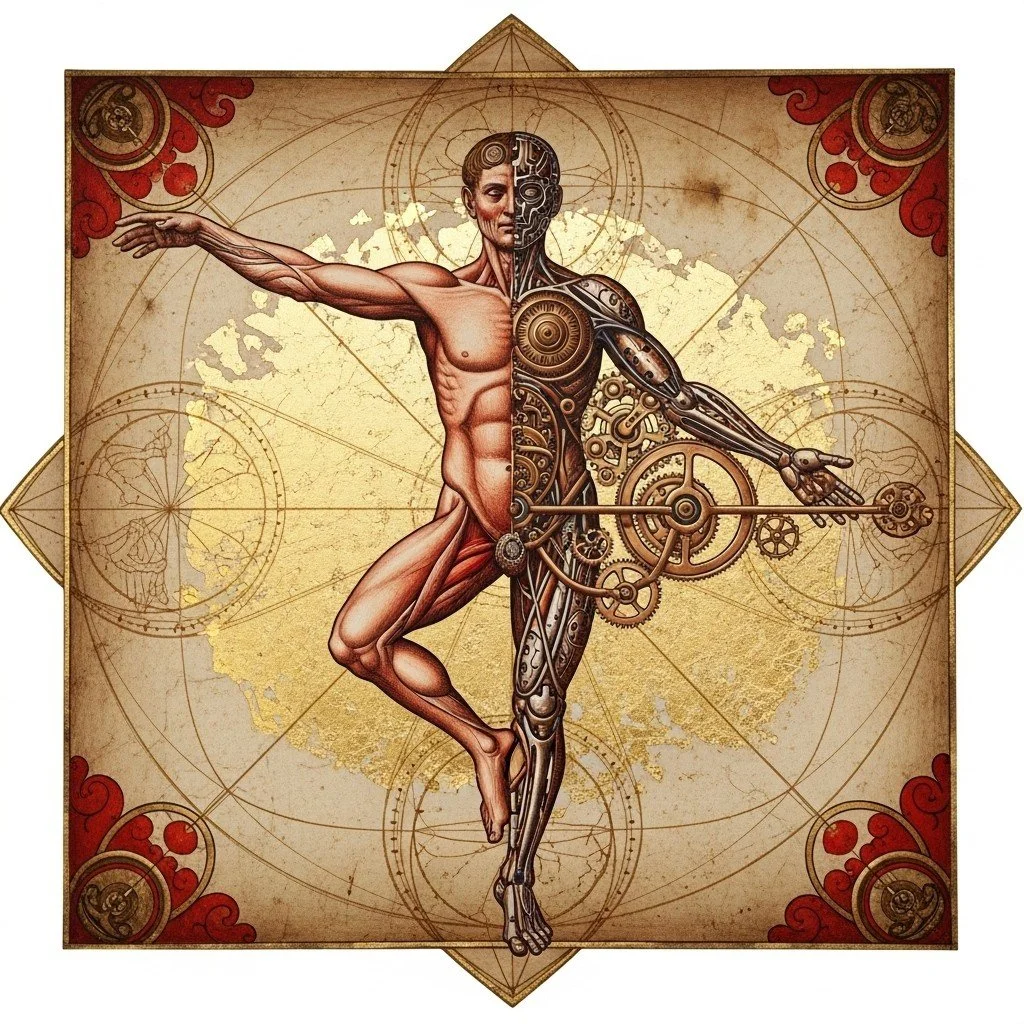
6 Ways AI Could Destroy Homeopathy
By Amy L. Lansky, PhD
The following article is a slight revision of my article “I, Not Robot,” sprinkled with annotations that describe how the practice of homeopathy and perhaps even homeopathy itself (as we know it) could be jeopardized if society is overrun by AI and transhumanism. Do not believe that these possibilities are pie-in-the-sky predictions about a distant future. I think they could emerge within the next 3-20 years. I can currently think of six ways homeopathy could be jeopardized, but there will likely be more. These issues are explored in this article.
The Chronic Miasms - Part One & Two
By Dr. Will Taylor
Dr Will Taylor has written a six piece essay on The Chronic Miasms. It is a detailed analysis on the development and evolution of homeopathic miasms and how Samuel Hahnemann first developed his ideas and how that has been understood and evolved since within the profession. It is an excellent, detailed study of Hahnemann’s thinking and how this was understood and interpreted by future homeopaths. It explores such concepts as to whether miasms are only acquired infectious influences or also inherited dispositions and also whether there can be more than three miasms and how that can be rationalized. It also explores Hahnemann’s understanding of the roots of disease and what that means practically in prescribing for long standing chronic conditions.
We are publishing the first two parts in this edition and will publish two parts in each of the next two journals so these essays can be absorbed over some time.

Integrating Homeopathy and Ayurveda: A Continuum of Healing Across Causal, Subtle, and Physical Domains
By Kirsten McGregor CCH, AHC
Medicine does more than respond to disease; it expresses how a culture understands life itself. Every medical system carries, implicitly or explicitly, an understanding of what a human being is, how illness arises, and where healing must begin. Modern biomedicine, for all its technical achievements, is largely grounded in a material framework. Disease is located in tissues, cells, genes, or biochemical pathways, and treatment is oriented toward modifying, suppressing, or removing these abnormalities.
Ayurveda and homeopathy arise from a fundamentally different understanding of illness and cure. In both traditions, disease is not first a thing, but a process—not an object to be removed, but a disturbance of order within a living system. Matter is not denied, but it is understood as the most external and densified expression of deeper organizing principles. Healing, accordingly, cannot be confined to physical intervention alone. It must involve the restoration of coherence across multiple levels of being.
A Randomized Controlled Trial: Homeopathic Treatment as Adjuvant to Standard Care in Essential Hypertension and Associated Anger
By Leena S. Bagadia, MD, PhD, CCMP, PGDMLE, Kumar Dhawale, MD, DPM, MF (HOM), Bipin Jain MD and Seema Patrikar M Sc,PhD
Objective: To assess the efficacy of individualised homoeopathic treatment (simillimum) in reducing anger variables and blood pressure in patients with essential hypertension compared to standard care alone.
Conclusion: Individualised homoeopathic treatment as adjuvant therapy demonstrated statistically significant improvements in anger management and blood pressure control compared to standard care alone, with associated reductions in antihypertensive medication requirements. The therapeutic consultation process itself appeared to confer additional benefits.
Embracing The Sacred Masculine: Three cases of Nicotiana rustica
By Declan Hammond
This essay explores the issues that men experience and the consequences on their mental and physical health. It further explores the use of the remedy Nicotiana rustica in three specific cases.
Hura - Center of Leprosy Miasm
By Dr. Roger Morrison
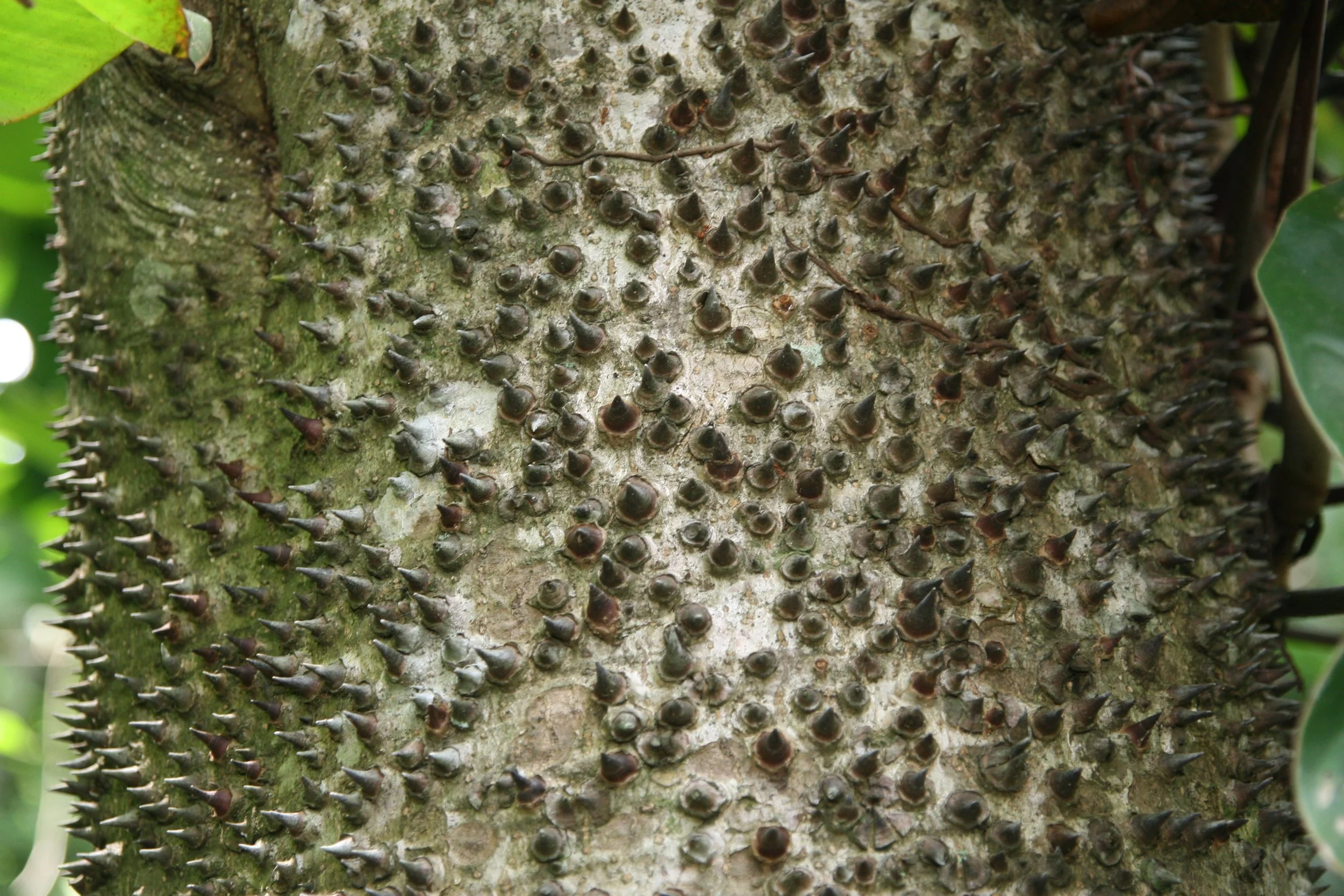
This is a detailed study and analysis of the remedy Hura brasiliensis/crepitans with reference to its relationship to the disease leprosy and being an example of a remedy in the Euphorbiaceae family.

A Proving of Abies pinsapo with AI Analysis
By Richard Pitt & Simone Ruggeri (AI Analysis)
ABSTRACT
The trituration proving of Abies pinsapo was carried out in October 2025 in Southern Spain. There were 15 participants, with two of them knowing the substance. Trituration provings involve the making of the remedy to a 3c using the traditional trituration method established by Hahnemann. The analysis of the proving has been done through the conventional analytical way and also using AI technology so a comparative study can be made between the two methods. So along with the proving which explores the possible uses of a new remedy, we’ve employed Artificial Intelligence (AI) to help analyse the data. This is a novel form of comparative analysis offering a different lens with which to organize, validate and perceive the information.
EMF Hazards: Old and New Homeopathic Remedies
By Chetna N. Shukla
Röntgen's discovery of X ray in 1895 revolutionized medicine and other fields, leading to the widespread use of X-rays for medical imaging and industrial applications. Our world has changed drastically since. Our air-space is full of electric and magnetic fields (EMFs), often referred to as ‘radiation’. Human exposure to man-madeElectromagnetic waves or Fields (EMF or EMW) has increased to unprecedented levels, accompanied by an increase in various health problems. Two case studies explore health problems related to EMFs. Case 1 demonstrates how Boericke’s therapeutic advice written in 1901 is applicable even in the 21st century. Case 2 is about new remedies for maladies caused by present day technological advances.
A Confusion of Identity
By Wiet van Helmond
We all go through certain developmental stages through which we develop ourselves and our connection to the world around us. Historically, there probably has never been a moment in time where this was easy, but in the last few decades the development of personal and gender identity has become more complex than it has ever been before. This presents us with new challenges in our daily practice.
The author describes a case of confusion of identity that was treated with Silicea 200C
Supporting Children & Young Adults in the Tech Age: Classical Homeopathy for the Screen Generation
By Jason-Aeric (Je Norbu) Huenecke
In an era when digital devices shape how children learn, play, and connect, concerns about excessive screen time have become part of our cultural vocabulary. Yet the deeper question for homeopathic practitioners is not simply how long children use screens, but what this relationship reveals about their evolving vitality.
We stand at a threshold. The children we serve live between worlds: biological and digital, embodied and virtual, linear and emergent. To support them, homeopathic practitioners must themselves become integrators of worlds—grounded in scientific literacy, attuned to the vital force, and awake to ethical responsibility.

The Amma Resonance Healing Foundation – Peter Chappell’s legacy for Africa
By Harry van der Zee, MD
This article is in honor of the late Peter Chappell (1941-2023) and gives testimony to the huge impact his creative and unconventional mind had and will continue to have on the lives of literally millions of people.
Using the homeopathic principle of resonance, Peter discovered a new method to create a remedy based on the genus epidemicus of an epidemic disease. This method became known as PC Technology, an advancement in homeopathy or, to avoid that biased term, Information Medicine. Based on the amazing legacy of Peter Chappell, the ARHF has made remarkable strides in addressing critical health challenges such as HIV/AIDS, malaria, and trauma across sub-Saharan Africa.

Current State of Homoeopathy in India
By Dr. Farokh Master
Dr Farokh Master gives an update from a previous article on the state of development of homeopathy in India.
The International Council for Homeopathy Representing Homeopaths around the World
By The International Council for Homeopathy
The International Council of Homeopathy (ICH) position paper on the practice of homeopathy in the world and its legal postion
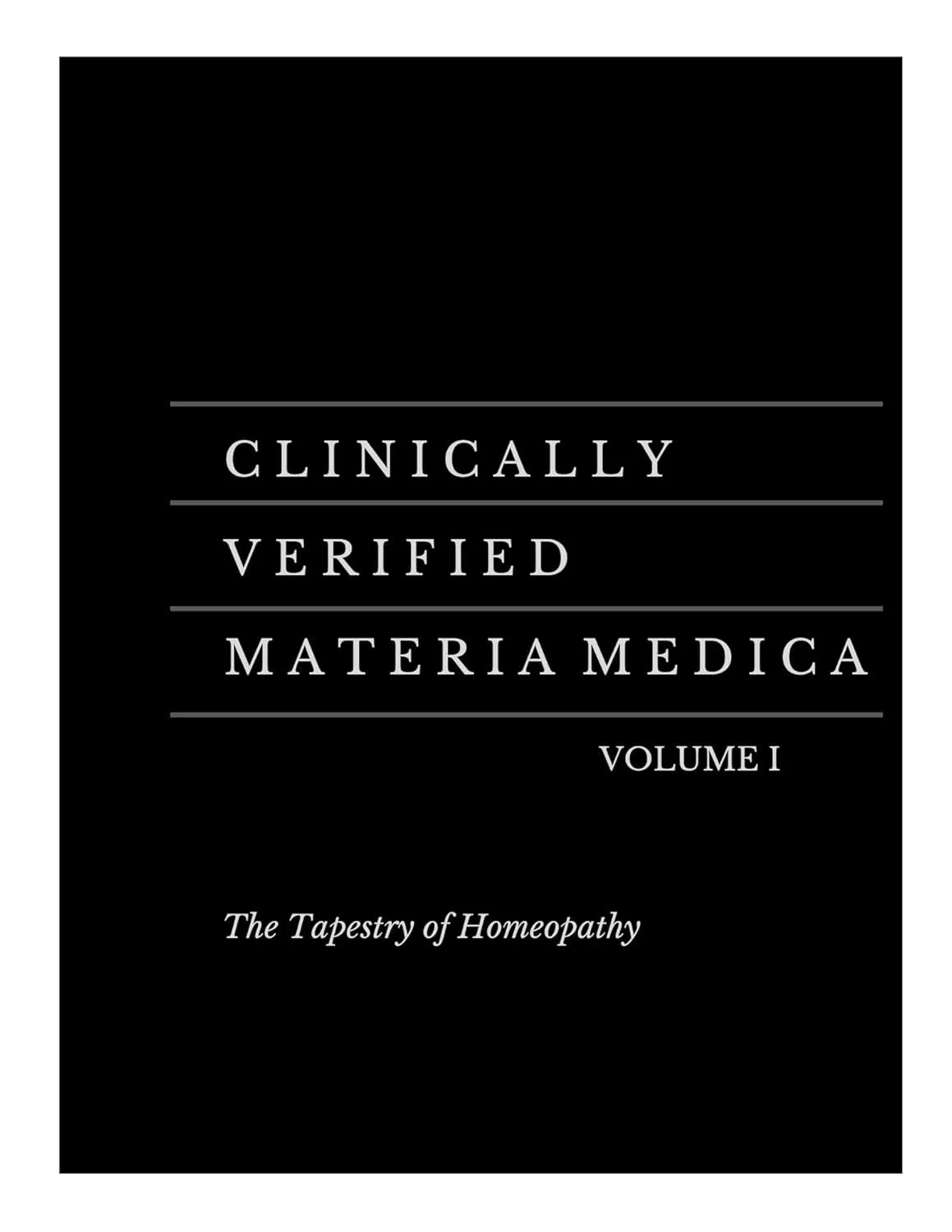
Book Review: A Clinically Verified Materia Medica Volume 1 by Roger Morrison, MD
By Andreas Bjorndal
A book review of Dr. Roger Morrison’s new book on Materia Medica.